
TALC & HEALTH
Talc Health Risks: What Asbestos-Contaminated Talc Can Cause
Talc products contaminated with asbestos are linked to mesothelioma, lung cancer, and other serious diseases. Understand the risks, recognize the symptoms, and learn what steps you can take.
Talc is one of the most commonly used minerals in the world. It appears in baby powder, cosmetics, personal care products, and dozens of industrial applications. For most of the 20th century, few people questioned whether it was safe.
That changed as evidence mounted that many talc products were contaminated with asbestos, a known carcinogen. Today, we know that asbestos-contaminated talc is linked to serious diseases, including mesothelioma, lung cancer, and other conditions that can take decades to develop after exposure.
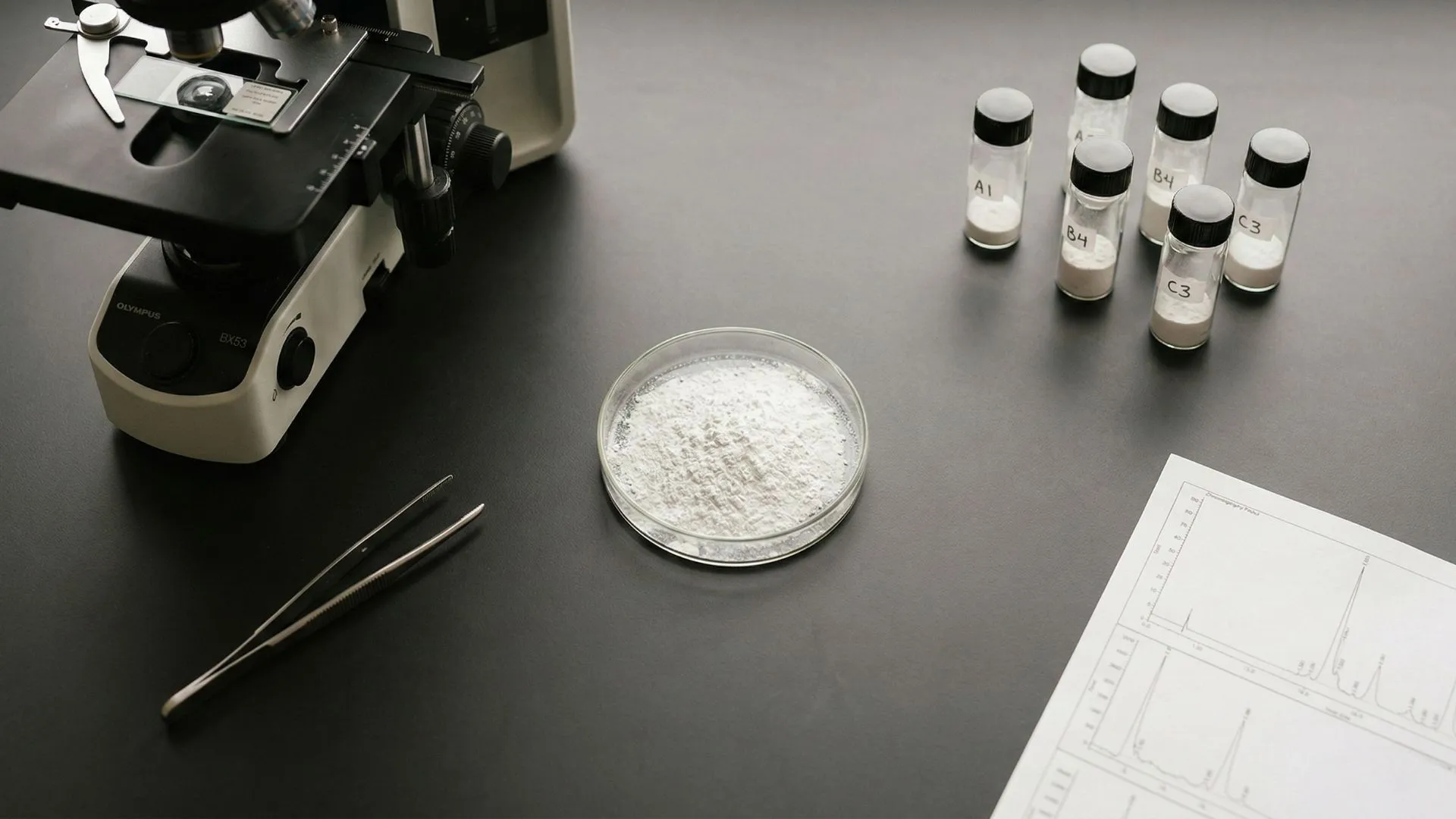
Raw talc mineral, naturally occurring near asbestos deposits
PRIMARY CONCERN
Asbestos Contamination Is the Primary Health Concern
Not all talc is dangerous. The health risks associated with talc stem from its contamination with asbestos, a group of naturally occurring mineral fibers that cause cancer. Talc and asbestos form in similar geological conditions and are often found in the same mineral deposits. When talc is mined from deposits near asbestos veins, the finished product can contain microscopic asbestos fibers.
In 2024, the International Agency for Research on Cancer (IARC), a research arm of the World Health Organization (WHO), reclassified talc from Group 2B ("possibly carcinogenic") to Group 2A ("probably carcinogenic to humans"). This evaluation, published on July 5, 2024, as Volume 136 of the IARC Monographs, was based on limited evidence for cancer in humans, sufficient evidence in experimental animals, and strong mechanistic evidence.
The risk is compounded by a principle that every major health authority agrees on: there is no safe level of asbestos exposure. The Occupational Safety and Health Administration (OSHA), the Environmental Protection Agency (EPA), and the medical community all recognize that even small amounts of asbestos can cause disease.
MESOTHELIOMA
Mesothelioma: The Most Serious Talc-Related Disease
Americans diagnosed per year
Source: American Cancer Society
Five-year survival rate
Source: NCI SEER data
Typical latency period
Source: OSHA, ACS, NCI
Mesothelioma is the disease most directly linked to asbestos exposure from contaminated talc. It is an aggressive cancer that develops in the mesothelium, the thin layer of tissue that lines the lungs, abdomen, and other internal organs. Asbestos is the only well-established external cause of mesothelioma.
When asbestos fibers are inhaled or ingested, they can become lodged in the mesothelial lining, where they cause chronic inflammation and cellular damage over time. This process typically unfolds over a latency period of 20 to 50 years, meaning that someone who used a contaminated talc product in the 1970s or 1980s could be diagnosed with mesothelioma today.
Pleural Mesothelioma
Pleural mesothelioma develops in the pleura, the membrane that lines the lungs and the inner wall of the chest cavity. It is the most common form, accounting for more than 80% of all mesothelioma diagnoses.
Symptoms often develop gradually and may initially be mistaken for more common respiratory conditions:
- Chest pain or tightness
- Persistent, dry cough
- Shortness of breath
- Unexplained weight loss
- Fatigue
- Pleural effusion (fluid buildup between the lung and chest wall)
Peritoneal Mesothelioma
Peritoneal mesothelioma develops in the peritoneum, the membrane lining the abdominal cavity. It accounts for approximately 15 to 20% of mesothelioma cases.
Symptoms include:
- Abdominal pain or discomfort
- Abdominal swelling or distension
- Unexplained weight loss
- Nausea or changes in bowel habits
- Ascites (fluid accumulation in the abdomen)
Peritoneal mesothelioma presents a unique diagnostic challenge in women. Because the cancer develops in the abdominal lining near the reproductive organs, it can be misdiagnosed as ovarian cancer. If you or someone you know received an ovarian cancer diagnosis after years of regular talc product use, it may be worth discussing with a doctor whether peritoneal mesothelioma should be evaluated.
LUNG CANCER
Asbestos Lung Cancer from Talc Exposure
While mesothelioma develops in the lining around the lungs, asbestos-related lung cancer develops within the lung tissue itself. They are distinct diseases with different biology, treatment approaches, and prognoses, though both are caused by inhaling asbestos fibers.
An important point: smoking combined with asbestos exposure significantly increases lung cancer risk. However, a history of smoking does not disqualify someone from pursuing legal claims related to asbestos-contaminated talc. Courts recognize that asbestos exposure is an independent risk factor that can contribute to or cause lung cancer regardless of smoking history.
Symptoms of asbestos-related lung cancer include persistent cough, coughing up blood, chest pain, recurring respiratory infections, and unexplained weight loss. Like mesothelioma, the latency period between asbestos exposure and lung cancer diagnosis can span decades.
OTHER CONDITIONS
Other Health Effects of Asbestos Exposure
Asbestosis
A chronic lung condition caused by the scarring of lung tissue from inhaled asbestos fibers. Over time, this scarring (called fibrosis) makes it progressively harder for the lungs to expand and contract, leading to shortness of breath and persistent cough. Asbestosis itself is not cancer, but its presence confirms significant asbestos exposure.
Pleural Plaques and Thickening
Involves the hardening or thickening of the pleural membrane surrounding the lungs. These changes are typically detected on imaging studies such as chest X-rays or CT scans. While generally not symptomatic on their own, they serve as a medical marker of prior asbestos exposure.
These non-cancerous asbestos conditions matter for two reasons. First, they can affect quality of life and lung function. Second, they confirm that asbestos exposure occurred, which can be medically and legally significant for anyone concerned about future disease risk.
YOUR HEALTH
When to Talk to Your Doctor
The symptoms of asbestos-related diseases can mimic many common conditions. What makes these symptoms different is context. If you used talc products regularly over a period of years and you are experiencing any of the following, tell your doctor about your talc exposure history.
Chest and Respiratory
- Persistent shortness of breath
- Dry cough that does not resolve
- Chest pain or tightness
- Difficulty with activities
Abdominal
- Unexplained swelling or bloating
- Persistent abdominal pain
- Nausea, loss of appetite
- Changes in bowel patterns
General
- Unexplained weight loss
- Fatigue that does not improve
- Night sweats
- Fever
Important: Early detection does not change the underlying biology of mesothelioma, but it can expand the treatment options available. Patients diagnosed at earlier stages are more likely to be candidates for surgical intervention and multimodal treatment plans.
NEXT STEPS
Next Steps If You Think You've Been Exposed
Talk to Your Doctor
Mention your talc product use specifically. Many patients do not think to tell their doctors about something as routine as baby powder or body powder, but this information can be critical for accurate diagnosis.
Document Your Product Use History
Write down the products you used, the brands, the approximate time period, and how frequently you used them. This information is valuable for both medical evaluation and any potential legal claims.
Understand the Latency Period
Mesothelioma and other asbestos-related diseases typically develop 20 to 50 years after exposure. If you used contaminated talc products decades ago, you may still be at risk today. The passage of time does not eliminate the concern.
Learn About Your Legal Options
If you have been diagnosed with mesothelioma or another asbestos-related disease after using talc products, you may have legal options. A free case review can help you understand whether your situation qualifies for legal action.
COMMON QUESTIONS
Frequently Asked Questions
LEARN MORE
The Science of Talc & Cancer
Explore the scientific evidence, exposure pathways, and health risks in detail.
Understanding Your Risk, Taking the Next Step
If you or someone you love has been diagnosed with mesothelioma or another asbestos-related disease after using talc products, a free and confidential case review is the fastest way to understand your options. There is no cost and no obligation.
Find Out If You Qualify for Compensation
Thousands of people who used talcum powder products have already taken legal action. You may have options too. Filing a claim costs nothing upfront — SWMW Law works on a contingency basis.